
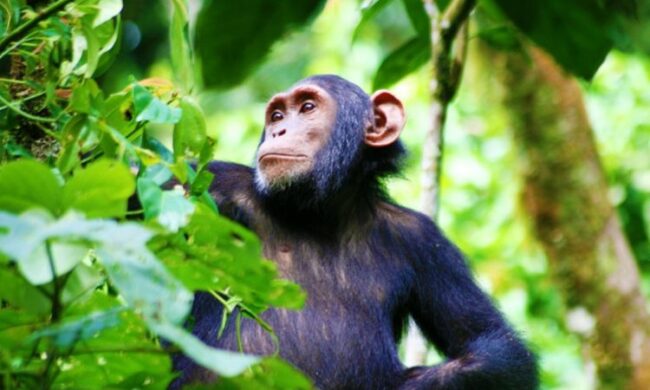
Primate Capital of the World.
Kibale National Park is one of Uganda’s most remarkable protected areas, widely known as the “Primate Capital of the World.” Famous for its high concentration of primates, especially chimpanzees, the park offers one of the best primates tracking experiences in Africa. With its rich biodiversity, lush tropical rainforest, and immersive activities, Kibale National Park is a must-visit destination for nature lovers, researchers, and adventure travellers.
Kibale National Park is located in western Uganda, near the town of Fort Portal, and lies within the districts of Kabarole and Kamwenge. The park covers approximately 795 square kilometres and is part of a continuous forest ecosystem that extends to Queen Elizabeth National Park, creating a wildlife corridor.
The park’s landscape is dominated by tropical rainforest, interspersed with grasslands and swamps such as Bigodi Wetland. This diverse habitat supports a wide range of wildlife species, making Kibale one of the most ecologically significant areas in East Africa.
Kibale Forest was first gazetted as a forest reserve in 1932 during British colonial rule. Its primary purpose was to protect the valuable tropical hardwood trees found in the region.
In 1993, the forest was upgraded to national park status to enhance conservation efforts, particularly for primates like chimpanzees. Since then, Kibale has become a major center for research and conservation, attracting scientists from around the world.
The park has also played an important role in community-based conservation, with surrounding communities benefiting from tourism through employment and eco-tourism projects.
UNIQUENESS OF KIBALE NATIONAL PARK
Kibale stands out as one of the most unique parks in Africa due to its incredible primate diversity. It is home to 13 primate species; the highest number recorded in any national park in Africa.
The most famous residents are chimpanzees, with over 1,500 individuals living in the park. Other primates include black-and-white colobus monkeys, red colobus monkeys, L’Hoest’s monkeys, grey-cheeked mangabeys, and vervet monkeys.
In addition to primates, Kibale hosts over 70 mammal species and more than 375 bird species, making it a biodiversity hotspot. The park’s dense rainforest, rich in flora and fauna, creates an immersive wilderness experience that feels untouched and alive.
CHIMPAZEE TRACKING IN KIBALE NATIONAL PARK
Chimpanzee trekking is the most popular activity in Kibale National Park and one of the best wildlife experiences in Uganda.
The experience begins with a briefing at the Kanyanchu Visitor Center, where guides explain chimpanzee behavior and trekking rules. Visitors are then led into the forest in small groups to search for chimpanzees.
The trek can take 1 to 4 hours depending on their movement. Once located, visitors spend one hour observing them.
For example, you might find a group resting after feeding, with juveniles playing in the trees while adults groom each other. At times, the forest suddenly becomes noisy with loud pant-hoots as chimps communicate across distances—an experience that feels wild and real.
Permit cost: $250 per person
CHIMPANZEE HABITUATION EXPERIENCE
The chimpanzee habituation experience is longer and more immersive. Visitors spend up to 4 hours with chimpanzees that are still getting used to human presence.
Instead of simply observing, you follow researchers as they track the chimps from early morning, sometimes watching them build nests, feed, or react cautiously to humans.
For instance, you may observe a young chimp slowly becoming comfortable with human presence while researchers record behaviour giving you a deeper understanding of conservation work.
Permit cost: $300 per person
KEY ATTRACTIONS IN KIBALE NATIONAL PARK
1. Chimpanzees
Chimpanzees are the main attraction and the reason most people visit Kibale. Seeing them in their natural habitat is both fascinating and emotional.
For example, watching a mother carry her infant while moving through the trees or observing a dominant male calling out loudly gives you a sense of their intelligence and social structure.
2. Primate Diversity
Kibale offers one of the richest primate experiences in Africa. During a single walk, it is possible to encounter multiple species.
For example, you may see black-and-white colobus monkeys jumping between trees while red-tailed monkeys move quietly through the lower branches. This diversity makes every walk unpredictable and exciting.
3. Bigodi Wetland Sanctuary
Located just outside the park, Bigodi Wetland is a community-run conservation area known for birding and primate viewing.
A guided walk here may reward you with sightings of monkeys, butterflies, and birds like the great blue turaco. The wetland also supports local livelihoods, making your visit impactful.
4. Tropical Rainforest
The forest itself is a major attraction. Walking through Kibale feels like entering another world thick vegetation, towering trees, and constant natural sounds.
For example, early morning walks often reveal mist rising through the forest while birds call from above, creating a calm but lively atmosphere.
5. Birdlife
With over 375 bird species, Kibale is a haven for bird lovers.
You might spot colorful species like turacos or hear the distant call of hornbills while walking through the forest. Birding here is both relaxing and rewarding.
BEST ACTIVITIES IN KIBALE NATIONAL PARK
1. Chimpanzee Trekking
This is the highlight activity. It combines hiking, wildlife observation, and adventure.
For example, one trek may involve walking for hours through thick forest before suddenly encountering a lively group of chimps making the effort completely worthwhile.
2. Chimpanzee Habituation Experience
This activity offers more time and deeper engagement.
For instance, instead of a one-hour encounter, you may spend half a day observing feeding patterns, social behaviour, and movement, gaining a more scientific perspective.
3. Nature Walks and Forest Hikes
Guided nature walks allow you to explore beyond chimpanzees.
You might discover medicinal plants, insects, and smaller animals while guides explain how the ecosystem functions.
4. Bird Watching
Birding is best done early in the morning.
For example, a walk in Bigodi Wetland can lead to sightings of rare birds while enjoying the peaceful environment.
5. Cultural Visits
Cultural tours allow interaction with local communities.
For instance, visitors may participate in traditional dances, visit local homes, or learn how communities coexist with the forest.
ACCESSIBILITY
Kibale National Park is approximately 320–350 kilometres from Kampala, and the journey takes about 5–6 hours by road.
The common route passes through Mubende and Fort Portal, offering scenic views of tea plantations and hills. Flights to Kasese are also available for faster access.
BEST TIME TO VISIT KIBALE NATIONAL PARK
Kibale can be visited year-round, but the best time is during the dry seasons:
- June to September
- December to February
Trails are easier to navigate during these months. However, the wet seasons bring lush greenery and fewer tourists, offering a quieter experience.
CONCLUSION
Kibale National Park is a true gem in Uganda’s tourism landscape, offering a unique blend of adventure, biodiversity, and conservation.
From the thrilling experience of chimpanzee trekking to the deeper insights gained during habituation, every moment in Kibale feels meaningful. Add to that its rich birdlife, diverse primates, and peaceful rainforest environment, and you have a destination that goes beyond ordinary travel.
Whether you are a wildlife enthusiast, a student of nature, or simply someone looking for a genuine experience, Kibale offers something rare and a chance to truly connect with the natural world.