
Tanzania’s Iconic and the Great.
Serengeti National Park is Tanzania’s most popular and celebrated national park, famous for its endless plains, incredible wildlife, and the world-renowned Great Wildebeest Migration. Located in northern Tanzania, the Serengeti stands as one of Africa’s most iconic safari destinations and a place where nature unfolds in its rawest and most dramatic form.
Known for hosting the “Big Four” mammals that is lions, elephants, buffaloes, and leopards. The Serengeti offers unmatched opportunities for wildlife viewing. However, what truly defines this park is the Great Migration, a natural phenomenon that turns the Serengeti into a stage of survival, movement, and life.
Serengeti National Park lies in northern Tanzania, bordering Kenya’s Maasai Mara ecosystem. It covers approximately 14,750 square kilometres, making it one of the largest protected areas in Africa.
The name “Serengeti” comes from the Maasai word Siringet, meaning “endless plains.” True to its name, the park features vast open savannahs stretching to the horizon, broken only by acacia trees, rivers, and rocky outcrops known as kopjes.
The park’s ecosystems include:
- Open grasslands
- Riverine forests
- Woodlands
- Seasonal wetlands
This diversity allows it to support a wide range of wildlife species throughout the year.
For centuries, the Serengeti was home to the Maasai people, who lived alongside wildlife in a balanced and sustainable way.
In the early 20th century, European explorers and hunters were drawn to the region because of its abundant wildlife. The area was declared a game reserve in 1921 and later upgraded to a national park in 1951.
The Serengeti gained global recognition through the efforts of Bernhard Grzimek, whose work highlighted the importance of preserving this ecosystem. His conservation campaign helped ensure that the Serengeti remained protected for future generations.
In 1981, the park was designated a UNESCO World Heritage Site due to its ecological importance.
UNIQUENESS OF SERENGETI NATIONAL PARK.
The Serengeti is unique because of its scale, biodiversity, and natural processes that have remained largely unchanged for centuries.
- It hosts millions of grazing animals
- It supports one of the highest densities of predators in Africa
- It offers uninterrupted natural landscapes
Above all, it is home to the Great Wildebeest Migration, the largest land animal movement on Earth.
THE GREAT WILDBEEST MIGRATION
The Great Migration is the Serengeti’s most famous attraction. Over 1.5 million wildebeests, along with zebras and gazelles, move across the ecosystem in search of fresh grass and water.
This migration is not a one-time event but a continuous, year-round cycle driven by rainfall and survival instincts.
MIGRATION CYCLE
- January to March – Calving Season (Southern Serengeti)
The herds gather in the southern plains, where hundreds of thousands of calves are born within a short time. Predators such as lions, hyenas, and cheetahs take advantage of this abundance, making it a period of intense wildlife interaction.
- April to May – Movement North
The herds begin moving toward central Serengeti as the rains fall. The plains become green and fertile, and long lines of animals stretch across the landscape.
- June to July – Grumeti River Crossings
In the western corridor, animals must cross the Grumeti River, where large crocodiles lie in wait. The crossings are dramatic, with herds gathering before suddenly rushing into the water.
- July to September – Mara River Crossings
This is the most famous stage of the migration. The crossing of the Mara River is intense and unpredictable, with strong currents and predators creating a high-risk environment for the animals.
- October to November – Return South
With the return of rains, the herds move back to the Serengeti plains, completing the migration cycle.
KEY ATTRACTIONS IN SERENGETI NATIONAL PARK
1. The Great Migration
This is the park’s biggest attraction and a must-see experience. The sight of thousands of animals moving together across the plains creates a powerful and unforgettable impression. The migration also supports a wide range of predators, making it one of the best wildlife spectacles in the world.
2. Seronera Valley
The central Serengeti is rich in wildlife and offers excellent year-round game viewing. Permanent water sources attract animals even during the dry season, making it a hotspot for predators such as lions and leopards. The density of wildlife in this area ensures frequent and diverse sightings.
3. Kopjes (Rocky Outcrops)
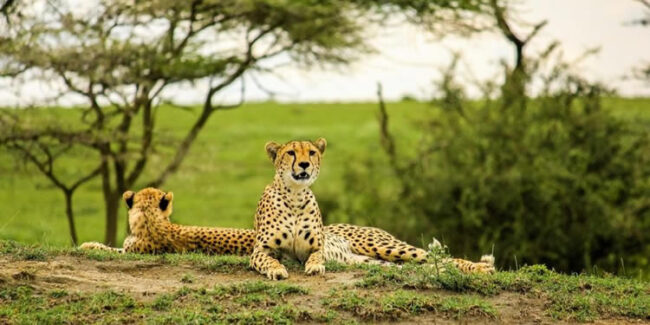
These granite rock formations are scattered across the plains and serve as important habitats for wildlife. They provide shade, shelter, and elevated viewpoints for predators. Lions are often found resting on these rocks, while cheetahs use them to scan the plains for prey.
4. Grumeti River
The Grumeti River is a key feature in the western Serengeti and plays an important role in the migration. It is known for its large crocodiles and dramatic crossings, which add excitement and tension to the safari experience.
5. Mara River
Located in the northern Serengeti, the Mara River is one of the most dramatic points in the migration route. The steep banks, strong currents, and presence of predators make crossings here some of the most intense wildlife events in Africa.
6. Northern Serengeti (Lobo Area)
This region offers a quieter and more remote safari experience. It is less crowded and ideal for those seeking a more peaceful environment. The area is particularly important during migration season and provides excellent opportunities for wildlife viewing without large numbers of visitors.
ACTIVITIES IN THE SERENGETI NATIONAL PARK
1. Game Drives
Game drives are the most popular way to explore the park and observe wildlife in their natural habitat.
2. Hot Air Balloon Safaris
This activity offers a unique perspective of the Serengeti from above, especially during sunrise.
3. Guided Walking Safaris
Walking safaris allow visitors to experience the environment more closely, focusing on smaller details of the ecosystem.
4. Bird Watching
With over 500 bird species, the Serengeti is an excellent destination for bird enthusiasts.
5. Photography Safaris
The landscapes and wildlife provide ideal conditions for photography, especially during migration periods.
HOW TO GET THERE
Serengeti National Park can be accessed by road or air.
- By road: About 7–8 hours from Arusha
- By air: Flights from Arusha or Dar es Salaam to airstrips within the park
Flying is the fastest and most convenient option.
BEST TIME TO VISIT
The Serengeti is a year-round destination, but the best time depends on your interests:
- June to October: Best for general wildlife viewing
- January to March: Calving season
- July to September: River crossings
Each period offers a different perspective of the park and the migration.
CONCLUSION
Serengeti National Park is one of the greatest wildlife destinations in the world. Its vast landscapes, rich biodiversity, and the dramatic Great Wildebeest Migration make it truly exceptional.
From observing predators in action to witnessing massive herds move across the plains, the Serengeti offers an experience that is both powerful and unforgettable. It remains a symbol of Africa’s natural beauty and a destination that continues to inspire travellers from around the globe.