
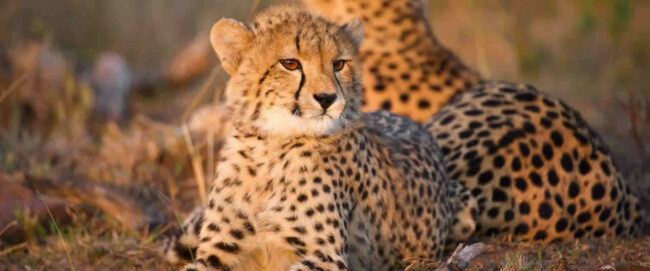
Masai Mara national reserve is situated in the south western part of Kenya. The park is famously known for its rare wildebeest migration wildlife event that happens every year. The biggest wild life show on earth. Today travelers from across the world continue to flock to the park for the most raw African wildlife experience, especially during the peak season.
The area covers covers about is 1,510 square kilometers of the total land area, dominated by riverine forests, acacia grasslands, and endless savanna plains, making it a renowned savannah park. The protected area of Masai Mara stretches to Tanzania, bringing the most popular wildlife hotspot in the world, also known as the Serengeti ecosystem.
Historically, The Masai land has been for the Masai people for a thousand years. The Masai are normally nomadic pastoralists known for moving with their cattles, warrior traditions and craft work. The area’s massive wildlife was discovered bu white settlers and hunters many years ago.
Later in the 1950s, the British colonial Authorities established negotiations in the late 1950s with the Maasai leaders, and settlers and the spot was recognized as a wildlife sanctuary. After about 6 years in 1961, the was officially dubbed Masai Mara National Reserve.
The negotiations were to leave the Maasai a right to graze livestock in many parts of the area even though the model has slightly lowered.
WHAT MAKES THE PARK OUTSTANDING.
Regardless it’s small in size, compared to Tanzania’s Serengeti, Masai Mara gathers alot wildlife, giving travelers high chamces of animals encounter. The abundant all year round wildlife, punched with the great wildebeest migration are what sets Masai Mara National Reserve apart.
Another factor that makes Masai Mara stand out is simply the rapid action and volumes of the Big 5 animals. Herds of elephants and buffalos can easily be sighted, lions, black rhino and leopards. The area’s landscape transforms smoothly from short grass plains during dry seasons to green, fertile vegetation during wet season. Mara River acts as a drinking water source for a wide range of wildlife.
All the generated revenue from tourism activities around the national park goes to the community in the form of support to healthcare facilities, schools, cattle projects and Masai land owners. The working together approach has seen a reduction in illegal wildlife activities like poaching.
MASAI MARA’S MAIN TOURISM ATTRACTIONS.
Masai Mara national reserve also hits a sweet spot when it comes to the Big 5 wildlife experience. Herds of elephants or buffalos can be seen roaming the rolling plains of Masai, black rhinos in protected spots, and leopards taking cover in acacia trees. There are high chances to spot a lion feed, taking chill or hunting.
The great annual wildebeest migration is the most popular wildlife event in Masai Mara. Thousands of zebras and gazelles accompany over 1.5 million wildebeests moving in a clockwise circle between the Masai Mara in Kenya and Tanzania’s vast Serengeti.
Kenya’s Masai Mara is where wildlife enthusiasts get the most out of the wildebeest event as herds try to cross the predator trapping Masai Mara. Between July and October is when thousands of herds of wildebeest approach the Mara waters in a very dramatic manner.
Mara River itself is yet another breathtaking feature in the park. Crocodiles lay below and wait for weeks for such an abundant meal day. Whereas some migrating animals make it and survive, others never make it out of water, if they don’t drown, they are aggressively eaten by crocodiles, or lions and leopards on river banks.The whole experience ranks as the world’s most mind blowing wildlife event.
Guests can also choose to have the most spectacular wildlife views from above using the Hot-air balloons especially at sunrise.
ACTIVITIES TO ENJOY IN MASAI MARA.
Without a doubt, game drives are the leading tourism activity in the Masai Mara. From morning game drives where travelers are driven in an open 4by4 vehicle and the rise of the wildlife views as they take on their day. Night game drives bring nocturnal animals where larger cats like leopards or cheetahs are spotted.
Travelers can also engage in cultural visits where they get to learn about Masai’s traditional life, walks to Masai’s homestead also locally known as Masaai manyattas allow guests to engage in cultural dances like dumu.
The great wildebeest migration sometimes comes with hot air Balloon safaris to give travelers with the most clear bird eye view of the wildlife, especially in the morning.
Masai Mara national reserve traps over 300 bird species, including the migratory birds from Europe, making birdwatching one of the most exciting activities in the park
HOW TO GET TOKENYA’S MASAI MARA.
The tourism hub is just 5 to 6 hours by road away from Nairobi City, equivalent to a distance of about 280km in the western part of the country. Many travelers however prefer taking flights especially from Jomo Kenyatta International Airport or Wilson. It takes about 45 to 60 mins by flight to reach the tourism hub from Nairobi
The dry season of the year, from June to October is the best time to visit Masai Mara national reserve. Animals are easier to spot due to short vegetation, and the roads are smoothly passable making the whole widebest migration experience a remarkable one.
The wet rainy season brings lower cost rates and less crowds but roads are super slippery and Monday, making them impassable.